Craig residents raise concerns after City Council limits public comment


John Camponeschi/Craig Daily Press
Writer’s note: Following submission of this article, the Craig City Council amended Resolution No. 20 (2026) on Monday, June 8, to reinstate a 3-minute speaking limit during public comment. An additional article examining this change will appear online and in print in next week’s edition of the Craig Daily Press.
A new Craig City Council resolution limiting public comment during council meetings to 90 seconds and to items listed on the posted agenda has drawn concern from some residents, even as city officials say the change is intended to keep meetings orderly, productive and focused on city business.
The council approved Resolution No. 20 (2026) on May 26, establishing updated procedures for public comment during city council meetings. The resolution limits public comment to in-person, live verbal comments regarding matters listed on the posted agenda, unless otherwise required by law.
Each speaker is limited to one opportunity to comment for up to 90 seconds total, regardless of whether the comment addresses one or multiple agenda items. The resolution states that public comment is for the purpose of receiving comments from the public and is not intended to create a dialogue between speakers, city staff or council members.
Comments on matters not listed on the posted agenda may still be submitted to the city in writing.
In a statement provided June 4, City Manager KC Hume said local government works best when residents are informed, engaged and involved. He said the resolution was adopted “to encourage community public participation while ensuring meetings remain productive, respectful and focused on the public’s business.”
“City Council meetings remain open to the public,” Hume said in the statement. “Residents are welcome to attend, observe and hear Council conduct City business. Nothing in this resolution limits public access or prevents residents from sharing their concerns, ideas or opinions with City officials.”
The resolution follows a council discussion in which City Attorney Heather Cannon told council the city’s public comment procedures had not been updated since 1989. Cannon said the resolution creates a limited public forum focused on agenda items while ensuring comments are received fairly.
The measure was approved, with council members Luke Tucker and Michelle Gottschall voting against it. Both had expressed concerns that the change could discourage public participation.
“I’d like to see more participation and I don’t want to limit, I don’t want to discourage anybody’s comments or concerns,” Tucker said during the meeting.
Gottschall said she had heard from residents worried the resolution might create the impression that council does not want public input.
“As a council member, I don’t want that to be the message,” Gottschall said. “I do want to hear from the public, especially when we’re making decisions that affect the community, but I also think we have a responsibility to run the meeting in a way that is clear and consistent and respectful of our time.”
Councilmember Joe Herod said he also believed residents need avenues to talk to council, but supported keeping comments connected to agenda items.
“I feel that our constituents do need to talk to us and this is maybe sometimes the way they talk to us,” Herod said. “But for me, my time is valuable too, and I’d like to see that we keep it on with what we have on the agenda.”
For Craig residents Erin and Kyle Steger, the decision raised concerns about accessibility and whether residents without established connections know how to bring issues forward.
The couple said they became more involved in local issues after a series of incidents near their home that began shortly after their son was born.
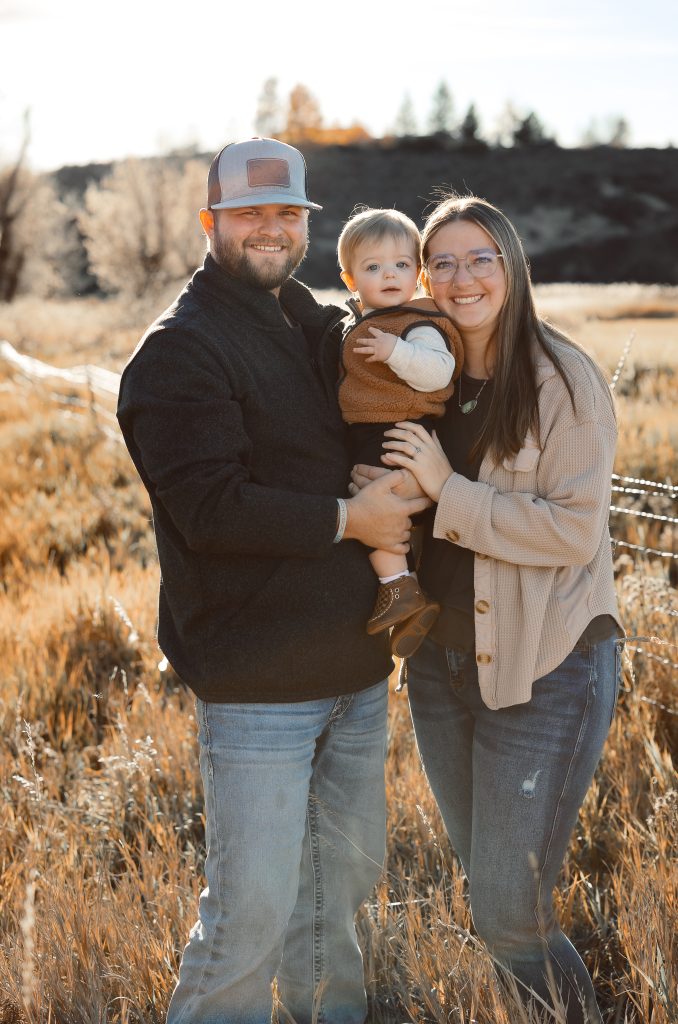
The Stegers said they had prepared to speak during public comment the night the resolution was adopted. Erin Steger said she had prepared a three-minute statement about her concerns, but the new rules, which took effect that same meeting, limited her speaking time.
“The way that they did it, we weren’t able to do that because they voted it in that night,” Erin Steger said.
She said her concern is not only about the time limit, but also about whether residents can easily reach city officials outside meetings.
“If you don’t know the connections, and if you don’t know how to get in touch with city council members, how are you ever going to know what’s actually happening in the community to your community members?” she said.
Kyle Steger said he tried to find council members’ email addresses through the city website after the vote, but had trouble accessing the information. He said that experience made the public comment change feel more difficult for residents who are not already connected in Craig.
“Being an outsider, not having roots here in Craig, it’s difficult to get their information,” he said.
Hume’s statement said public engagement extends beyond council meetings. Residents may submit written comments, contact council members, the mayor, the city manager’s office or city staff and request that topics be considered for future agendas.
The resolution also states that written comments concerning municipal business may be submitted to the city clerk at cityclerk@cityofcraig.org or at the clerk’s office at 300 W. Fourth St. Written comments received by noon on the day of a meeting may be distributed to council before the meeting, subject to public records laws, retention requirements and administrative procedures.
Still, Erin Steger said she believes the process for getting an item on the agenda should be clearer if public comment is going to be limited to agenda items.
“I think the bottom line is if you want to change it, that’s fine, but there has to be more transparency with the community,” she said.
The resolution states that nothing in it limits public comment, hearings, testimony or participation rights required by federal law, Colorado law, the city charter, municipal code, land-use regulations, election law or other legal requirements.
The Stegers said possible improvements could include restoring a longer speaking period, making council contact information easier to find and clearly outlining how residents can request to be placed on an agenda. Erin Steger said three minutes is a reasonable amount of time for public comment, particularly because few people typically speak at council meetings.
Kyle Steger questioned whether residents can fully explain community concerns in 90 seconds, saying the shorter limit makes it harder for people to raise issues they believe affect them, their neighbors and the community.
They also said limiting public comment to agenda items could prevent residents from bringing forward concerns that might not otherwise appear before council. Erin Steger said if the city keeps the new rules, it should provide more transparency about how residents can contact council members, submit concerns and get topics placed on future agendas.
Hume said the city will continue reviewing the resolution.
“Most importantly, this is an ongoing process,” Hume said. “Council has already scheduled further review of the resolution and will continue seeking ways to improve transparency, participation, efficiency and fairness.”
Erin Steger said she understands council is trying to address difficult meeting dynamics, but believes the new limits place residents at a disadvantage. Kyle Steger said he and his wife still want Craig to be a strong community for their son and other young families.
“We’re rooted here,” he said. “Craig is our home and we love this place.”










Support Local Journalism
Support Local Journalism
Readers around Craig and Moffat County make the Craig Press’ work possible. Your financial contribution supports our efforts to deliver quality, locally relevant journalism.
Now more than ever, your support is critical to help us keep our community informed about the evolving coronavirus pandemic and the impact it is having locally. Every contribution, however large or small, will make a difference.
Each donation will be used exclusively for the development and creation of increased news coverage.