‘It’s for our whole community’: Craig River Park opens a new chapter on the Yampa River

John Camponeschi/Craig Daily Press
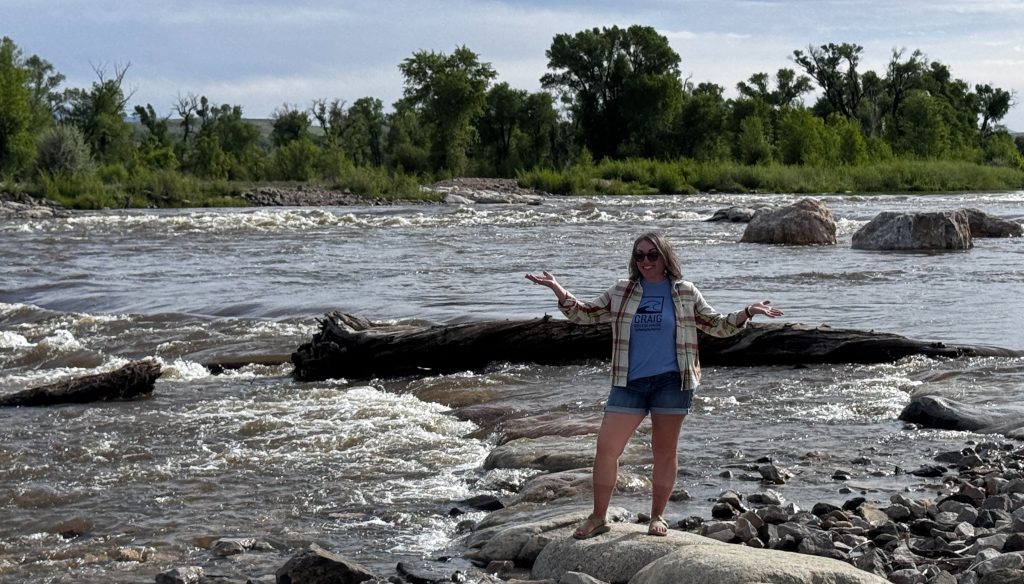
On an early May morning along the banks of the Yampa River, Melanie Kilpatrick paused for a moment as she looked across the recently completed Craig Whitewater Park.
Following six years of planning, fundraising, engineering, construction and problem-solving, the vision she had spent much of her professional life helping bring to reality was finally complete.
“It is magical,” Kilpatrick said. “I get on the verge of getting emotional and just pure joy.”
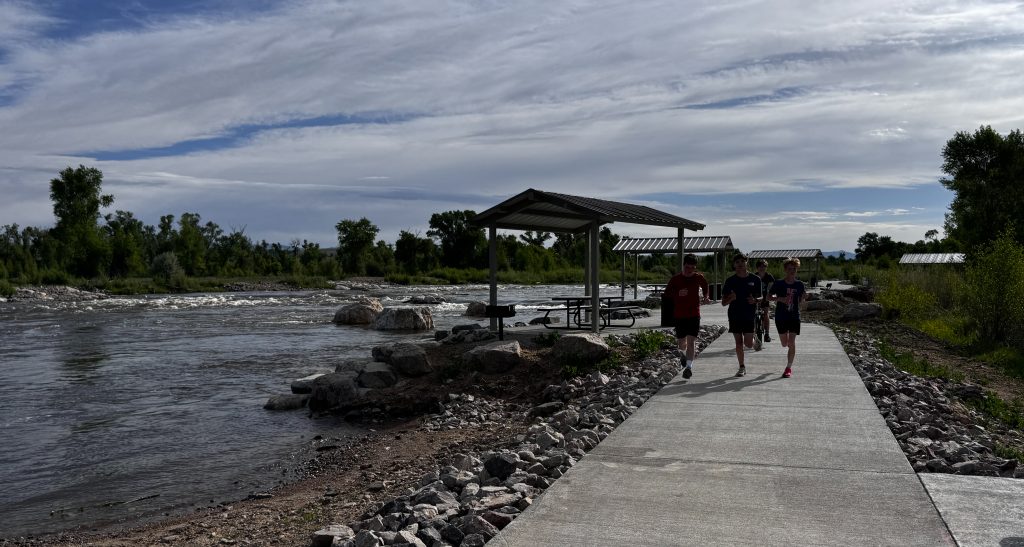
In front of her and a busy crew of city employees, the river flowed through three newly engineered whitewater features. Trails winding through the cottonwoods led to picnic shelters overlooking the water. High school runners used the trail for training as sandhill cranes, pelicans and an eagle flew overhead.
For Kilpatrick, Craig’s project and events manager, it was a reminder that the park was never just about whitewater.
“This project isn’t just for river users,” she said. “It’s for our whole community. Everything about this project was designed for families, future generations and visitors.”
That vision will officially be celebrated June 26 when Craig hosts the grand opening of the Craig River Park. The project, which was nearly a decade in the making, is something that community leaders hope will serve as both a recreation destination and a symbol of the community’s future.
The park’s origins date back to 2016 when members of the Northwest Colorado Parrot Heads began exploring how the city’s aging river diversion structure could be transformed into something more.
At the time, the diversion dam that supplied Craig’s municipal water system was showing its age. Community members saw an opportunity to combine necessary infrastructure improvements with river recreation, creating an amenity that could benefit residents and visitors alike.
The idea lingered for years until the City of Craig and Moffat County embraced the concept in 2020 and began pursuing funding.
What followed was a lengthy process involving engineering studies, environmental reviews, grant applications and construction challenges. Along the way, the project secured support from 17 funding partners ranging from federal and state agencies to local nonprofits and businesses.
“It wasn’t a hard sell,” Kilpatrick said. “People know what an amazing asset and resource the Yampa River is.”
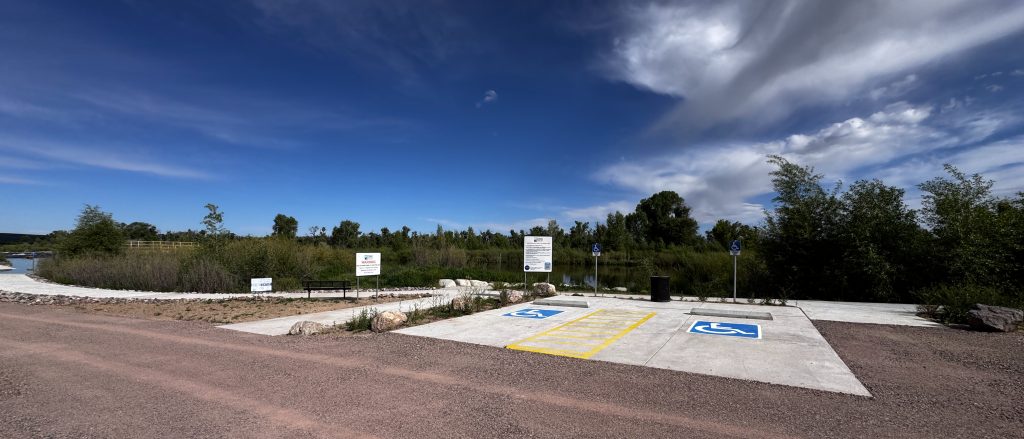
Today, the finished project includes three engineered river features, trails, picnic areas, barbecue grills, ADA-accessible pathways, a pavilion, parking areas and improved river access for kayaks, paddleboards, inflatable crafts and tubers.
The park also complements the recently completed boat ramp improvements at Loudy-Simpson Park as part of the broader Yampa River Corridor initiative.
“I grew up here, and I hung out here a lot before it was ever developed like this,” said Chris West, a city parks employee who was working at the park. “Now it’s nice to see it modernized and open to the community and made more public for everybody to come.”
The project also still serves its original infrastructure purpose.
The river structures create the backwater needed for Craig’s municipal water intake system, which supplies water to the city’s treatment plant and ultimately to homes and businesses throughout Craig.
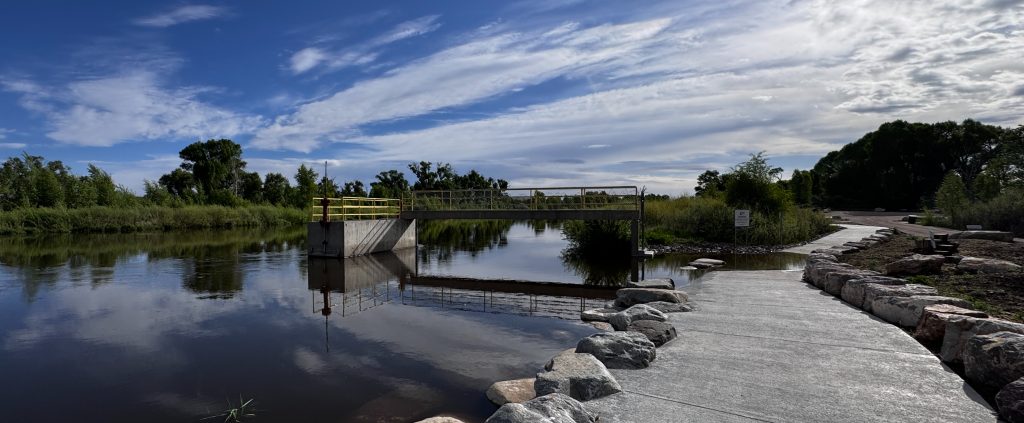
“I’d like people to know this was largely a water infrastructure project,” Kilpatrick said. “And then capturing that recreation component with it.”
The environmental benefits are significant as well.
The older diversion structure lacked fish passage and had become increasingly hazardous. The new design incorporates fish-friendly passage features while preserving much of the river corridor’s natural vegetation and wildlife habitat.
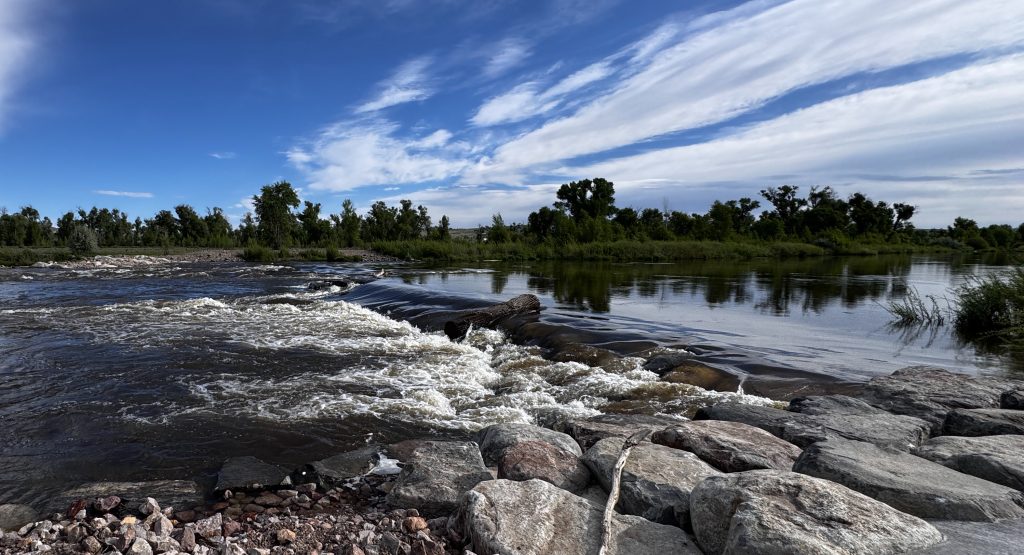
Visitors can still see willows, wetlands and wildlife throughout the area, something project planners intentionally sought to protect.
“We were very conscientious about designing a park that worked for our community and our river,” Kilpatrick said.
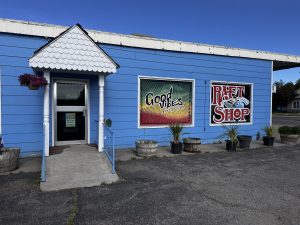
For Josh and Maegan Veenstra, owners of Good Vibes River Gear, the opening represents something they have been waiting a long time to see.
The couple has spent years helping residents and visitors experience the Yampa River through rafting, paddleboarding and other outdoor recreation opportunities. They have also watched the whitewater park evolve from an idea into a finished facility.
“We couldn’t be more excited,” Maegan Veenstra said.
For years, Craig residents floated through the area but rarely gathered there. Now, the Veenstras see a space where families can spend entire afternoons along the river.
“This is what we wanted Craig to be,” Maegan Veenstra said. “A community where you went and hung out at the river.”
Josh Veenstra believes one of the park’s greatest strengths is its accessibility.
Unlike a reservoir trip or a full-day float, families can decide on short notice to spend time by the water.
“What do you want to do this afternoon? Five minutes and you’re there,” he said.
He envisions parents relaxing under the shelters while children play in the water and grandparents enjoy the river views nearby.
“For me, it’s finally something that my kids and my parents and Megan and I can enjoy,” Veenstra said. “Three generations can all enjoy this park.”
The Veenstras have traveled extensively throughout Colorado’s recreation communities and say they were surprised by the quality of the finished product.
Even compared to larger recreation hubs, Josh Veenstra believes Craig’s facility stands out.
“The way they finished it off and completed every aspect of it from the top to the bottom, I haven’t seen anything else like it,” he said.
Already, word is spreading.
Before the official opening, river surfers and paddlers from communities such as Salida and Steamboat Springs visited the site. Some rafting guides also used the area for training when water conditions elsewhere were less favorable.
Still, both city officials and recreation advocates emphasize that the park was designed first and foremost for Craig residents.
“It’s almost like the whitewater park that was designed for the town,” Veenstra said.
That local focus is something Mayor Chris Nichols believes makes the project especially important.
“Craig whitewater park is giving Craig families a beautiful, accessible place to gather, play and reconnect with the river,” Nichols said. “It’s built with the community in mind.”
Nichols described the park as evidence of what can happen when local organizations, government agencies and residents work toward a common goal.
“The project demonstrates what strong local vision and collaboration can achieve,” he said.
That collaboration included major support from the U.S. Economic Development Administration, Great Outdoors Colorado, the Colorado Office of Just Transition and numerous other partners. Community advocates such as the Northwest Colorado Parrot Heads helped champion the project from its earliest stages.
Beyond recreation, local leaders also view the park as part of Craig’s long-term economic future.
As the community navigates the transition away from coal-fired power generation, projects that improve quality of life, attract visitors and support local businesses have taken on increasing importance.
Nichols said the park reflects Craig’s commitment to both economic development and community investment.
“This is needed infrastructure that supports tourism, entrepreneurship and a more diverse and sustainable future,” he said.
Kilpatrick agrees.
She readily acknowledges that a whitewater park will not replace the economic impact of the energy industry. But she believes investments like this can help attract new businesses, new residents and new opportunities.
“What we do hope is that it helps attract new industry,” she said.
For now, however, the focus is on celebration.
The grand opening will take place June 26 beginning at 10 a.m., with shuttle service available from Loudy-Simpson Park. Organizers plan to recognize the many partners who helped make the project possible while inviting residents to experience the park for themselves.
As families begin filling the trails, picnic shelters and riverbanks this summer, Craig’s newest park may come to represent something larger than recreation.
It is a reminder that communities can still build ambitious things together. It is a new front porch along the Yampa River. And for a community working to write its next chapter, it may also offer a glimpse of what that future can look like.






Support Local Journalism
Support Local Journalism
Readers around Craig and Moffat County make the Craig Press’ work possible. Your financial contribution supports our efforts to deliver quality, locally relevant journalism.
Now more than ever, your support is critical to help us keep our community informed about the evolving coronavirus pandemic and the impact it is having locally. Every contribution, however large or small, will make a difference.
Each donation will be used exclusively for the development and creation of increased news coverage.