Verbal, physical violence increasing concern for health care workers
Craig Press
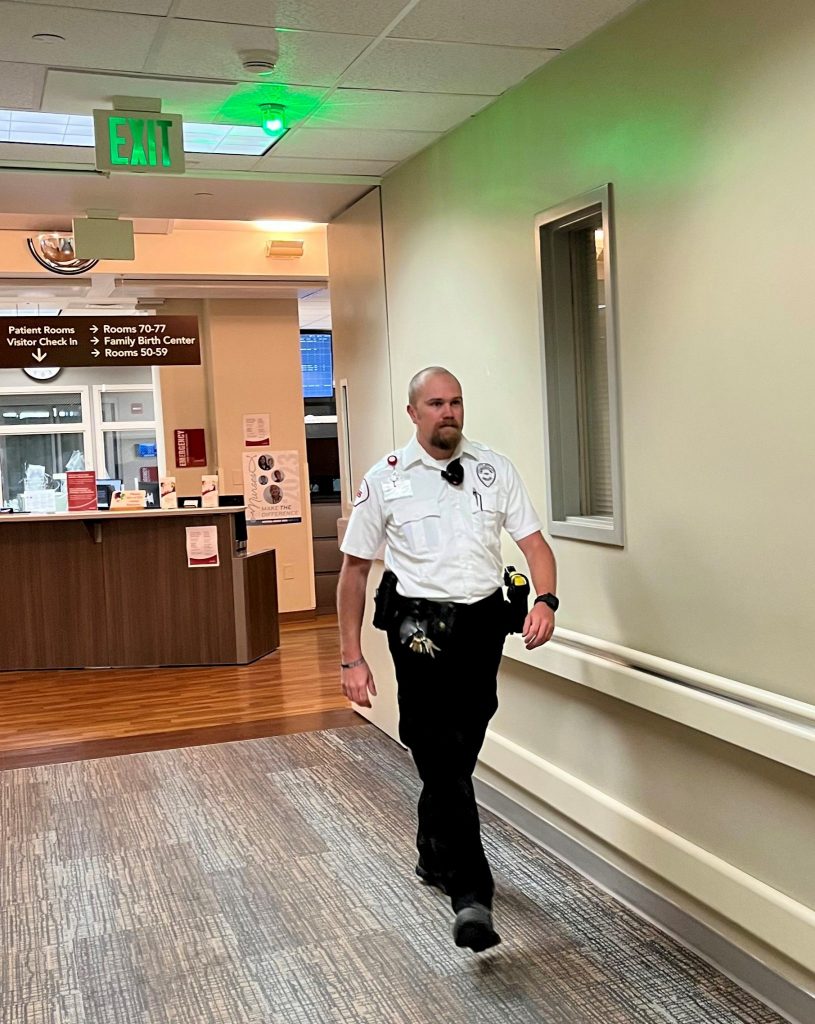
UCHealth/Courtesy photo
Even before the added stress of the COVID-19 pandemic, statistics and surveys showed a rise in verbal and physical violence against hospital and health care workers by patients and their family members.
Kelly Gallegos, chief nursing officer at UCHealth Yampa Valley Medical Center in Steamboat Springs, said caring for patients during stressful or complicated medical situations must be balanced with hospitals providing a safe place for workers and all patients.
“We recognize that we need to be companionate with our patients, but we need to draw a hard line for these intentional acts of violence and how we maintain an environment of mutual respect,” Gallegos said. “We recognize that our patients are really at their most vulnerable when in our doors, but we have to balance patient care and staff safety.”
Gallegos said documented violent situations at YVMC began increasing three to five years ago. That’s when YVMC staff gained a stronger awareness through training to speak up about concerns.
“There is more education now of what is acceptable and what’s not, what we should report and what is tolerated,” said Gallegos, a registered nurse for 20 years.
According to Gallegos, the situations can include patients or family members yelling at hospital staff when they are frustrated about bills, do not receive prescribed medications they want, are unhappy with a diagnosis, have a surgery delayed due to an emergency or when a surgery runs long. Physical abuse such as throwing items or kicking may occur when nurses or doctors take care of patients suffering from mental illness, dementia, delirium or pain.
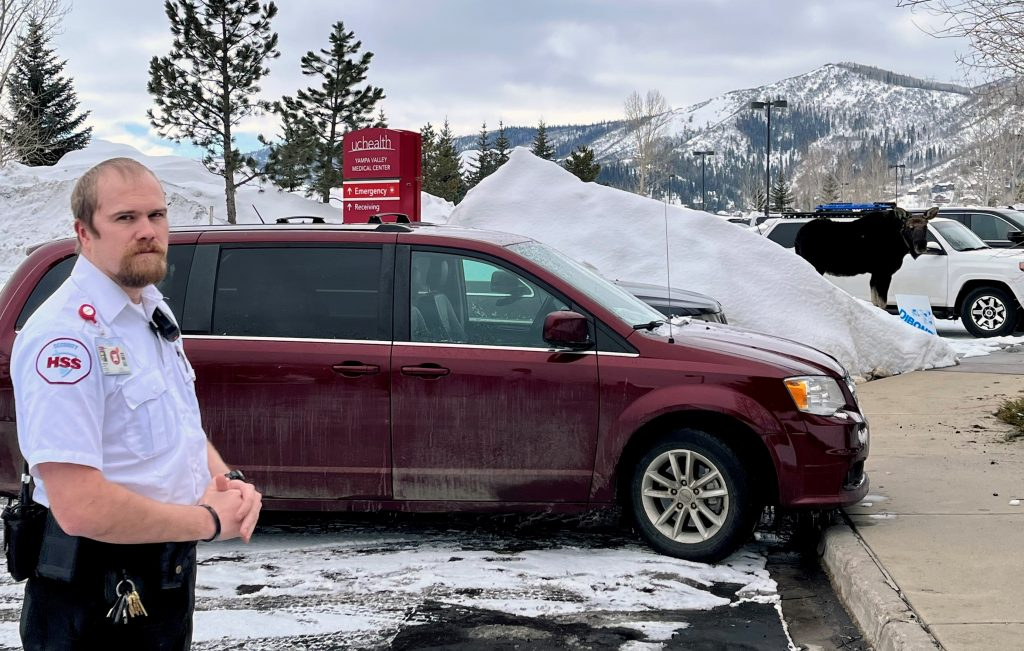
Michael Bostock, YVMC security manager, said the medical center has seen “a substantial increase in violence over the last several years.” Bostock said patients exhibiting verbal or physical violence may be under the influence of or withdrawing from a substance.
“We also have witnessed violence in patients who have been through a traumatic experience that they may not consciously be aware of in that moment, as well as family members who may resort to violence or anger as a coping mechanism,” Bostock said.
Assaults may include threatening, discriminatory, bullying, disrespectful or offensive language.
“We’ve also seen an uptick in violence in intentional threatening, intimidation and acts of violence toward staff from patients and family members,” Gallegos said.
The Colorado Hospital Association released a report in February that addresses the rising violence and cited multiple surveys and industry reports. For example, a survey by National Nurses United in April 2022 noted 48% of hospital nurses saw a small or significant increase in workplace violence, up from 30.6% in September 2021 and 21.9% in March 2021.
“At a time when Colorado is expected to be short 10,000 nurses and 54,000 health care ancillary staff members by 2026, we must do all what we can to protect our health care workers,” the hospital association report noted.
“We’ve always had a bit of work place violence in health care. We deal with a lot of individuals who have something going on with their life or health.”
Kelly Gallegos, chief nursing officer, UCHealth Yampa Valley Medical Center
Hospital leaders are responding with a range of options from upgrading physical security to providing de-escalation training for key staff. Violence prevention programs include alarms and monitors, security screening and cameras, security presence or rounding, restricted access to certain areas, signage, huddles and safety drills, peer support and debriefing and easy incident reporting.
Sheli Steele, marketing and community relations director at Memorial Regional Health in Craig, said although the small hospital had not experienced a jump in violence, the leadership is being proactive. About three months ago, MRH installed “unruly patient buttons” that alert administration and facilities staff when help is needed. All MRH on-call administrative team members complete de-escalation training through Crisis Prevention Institute, and the hospital has long-standing panic buttons to alert law enforcement if necessary.
Gallegos said some of the safety changes implemented in nursing care can be as simple as stepping farther back from patients. Patients may need to be given more space, time and choices in making decisions while hospital staff members work to listen carefully, she said.
At YVMC, two security staff members are usually on duty 24 hours a day. De-escalation training is conducted for frontline and security staff including patient care unit nurses and the emergency department team through Crisis Prevention Institute. Panic alarms are installed. Staff can call for a “code gray” team of specially trained or security employees to respond when a situation is escalating.
As of June 29, YVMC implemented a new visitor management system where all emergency department and in-patient unit visitors must present their government-issued ID at the front desk. Visitors to those areas will then have their photo taken by front desk staff for a visitor badge to wear for the day, said Lindsey Reznicek, YVMC communications strategist.
The Colorado Hospital Association emphasized that patients and family members can help decrease the rising trend and not disrupt patients’ care by “treating health care workers with kindness and respect.”
1 — Be empathic and nonjudgmental. Do not be dismissive of the feelings of the person in distress.
2 — Respect personal space. Be aware of your position, posture and proximity when interacting with a person in distress. If you must enter someone’s personal space to provide care, explain what you are doing so the person feels less confused and frightened.
3 — Use nonthreatening nonverbals. The more a person is in distress, the less they hear your words and the more they react to your nonverbal communication. Keep your tone and body language neutral.
4 — Keep your emotional brain in check. Remain calm, rational and professional.
5 — Focus on feelings. Watch and listen carefully for the person’s real message.
6 — Ignore challenging questions. When a person challenges your authority, redirect their attention to the issue at hand and focus how you can work together to solve the problem.
7 — Set limits. As a person progresses through a crisis, give them respectful, simple and reasonable limits. Be clear, speak simply and offer the positive choice first.
8 — Choose wisely what you insist upon. If you can offer a person options and flexibility, you may be able to avoid unnecessary altercations.
9 — Allow silence for reflection. Give a person a chance to reflect on what is happening and how they need to proceed.
10 — Allow time for decisions. When a person is upset, they may not be able to think clearly. A person’s stress rises when they feel rushed.






Support Local Journalism
Support Local Journalism
Readers around Craig and Moffat County make the Craig Press’ work possible. Your financial contribution supports our efforts to deliver quality, locally relevant journalism.
Now more than ever, your support is critical to help us keep our community informed about the evolving coronavirus pandemic and the impact it is having locally. Every contribution, however large or small, will make a difference.
Each donation will be used exclusively for the development and creation of increased news coverage.