‘Protecting lives, property and the long-term stability of our community’: City of Craig adopts new statewide wildfire code


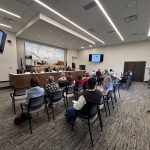
John Camponeschi/Craig Daily Press
The City of Craig’s adoption of Colorado’s new wildfire resiliency standards, which stem from the 2025 Colorado Wildfire Resiliency Code, marks a shift in how buildings will be constructed and how fire risks on properties will be managed across Northwest Colorado.
The changes are intended to reduce the frequency and intensity of destruction caused by wildfires. City of Craig and Moffat County Building Official Marlin Eckhoff said the code reflects both a legal requirement and a practical, local response to increased instances of fast-moving and costly fires.
“This is not about introducing something new to Moffat County,” Eckhoff said. “Wildfire risk has always been part of living here. What has changed is our understanding of how fires behave and how quickly they can spread.”
The code is the result of Senate Bill 23-166, passed by the Colorado Legislature in 2023. The law directed the creation of a statewide wildfire resiliency code and requires local governments in wildfire-prone areas to adopt and enforce it or implement an equivalent standard.
The local code was formally adopted by the City of Craig in March.
Portions of Moffat County fall within what is termed a wildland-urban interface, areas where development meets or mixes with natural vegetation. As a result, the county is required to comply because the landscapes, which include grasslands, sagebrush and juniper, are capable of carrying fire rapidly, especially during high wind events.
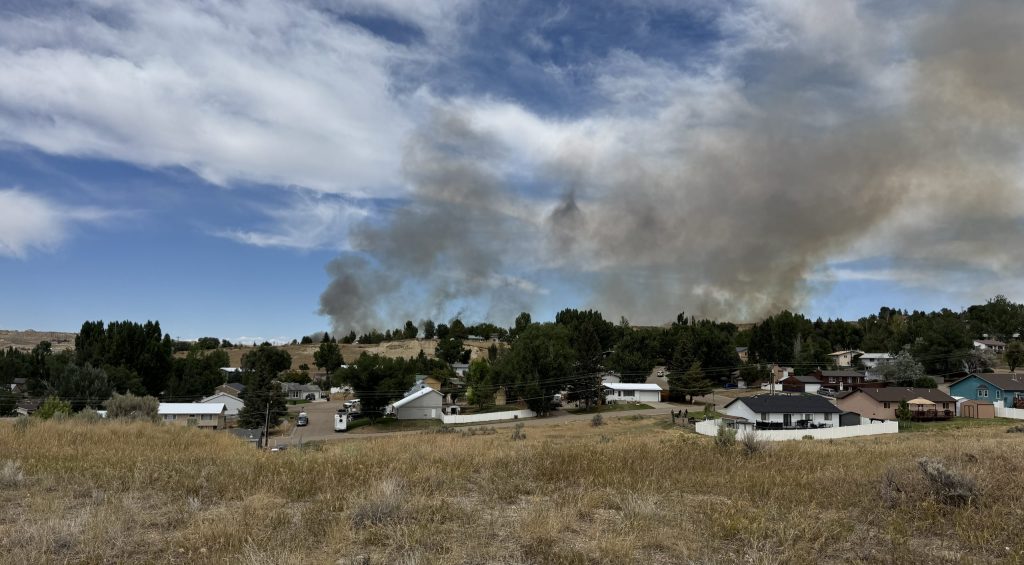
Eckhoff explained that the goal is not to burden property owners but to improve the survivability of homes and structures during wildfires. Supporters argue that stronger building standards could also help maintain access to homeowners insurance in high-risk areas, which has emerged as a growing concern across the West.
While some residents and builders may have concerns about increased construction costs and potential impacts on housing affordability, many existing structures will not be affected.
The code focuses primarily on preventing structures from igniting rather than relying on suppression once a fire reaches a community because wind-driven embers that travel long distances ahead of the main fire front are often a primary cause of home loss during wildfires.
To address that risk, the code emphasizes what officials call “structure hardening” along with defensible space around buildings.
One of the key tools in implementing the code is a statewide wildfire intensity map. The map classifies land into three categories based on factors such as vegetation, slope and fire weather patterns, designated as low, moderate and high intensity.
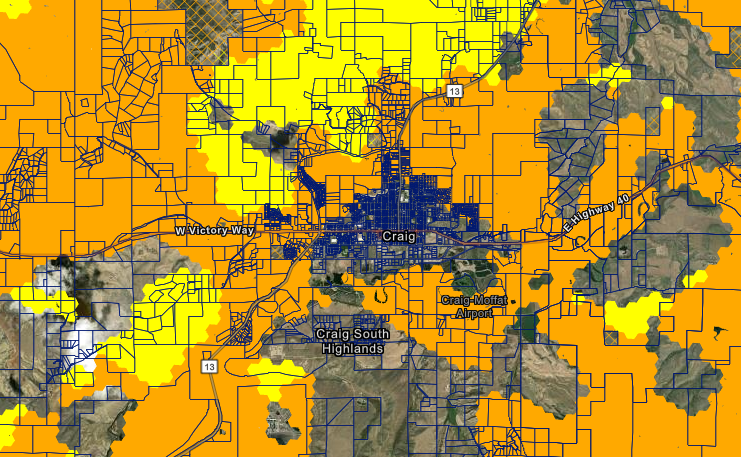
Each classification comes with a different set of requirements. Lower-risk areas face minimal standards, while moderate and high-risk zones require more robust fire-resistant construction methods.
For property owners, one of the most important clarifications is what the code does not do. It does not require existing homes to be retrofitted.
Instead, the requirements apply primarily to new construction and certain types of exterior work. The code will affect new residential and commercial buildings, additions that increase a structure’s footprint by 500 square feet or more and exterior remodels or repairs that impact at least 25 percent of a building’s exterior.
Projects such as re-roofing, replacing siding or building a deck may fall under the code if they meet those thresholds. Relocated buildings are also included, while interior renovations such as kitchen upgrades or basement finishes are not affected.
The wildfire intensity map uses color coding to help property owners understand their classification. Areas without color are not subject to the code. Yellow zones indicate low intensity, where basic requirements apply to roofing, venting and the area immediately surrounding a structure. Orange and red zones represent moderate and high intensity, where stricter standards are required.
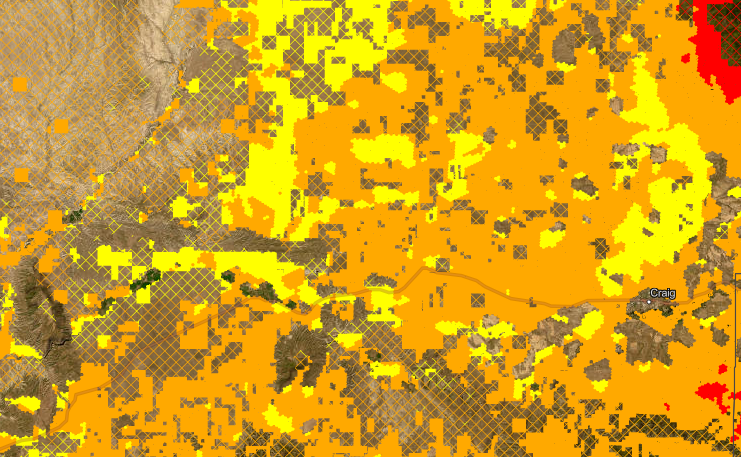
Those stricter standards can include Class A fire-rated roofing, ignition-resistant or noncombustible siding, ember-resistant vents and enclosed soffits. Decking materials may also need to meet fire-resistant criteria.
Additionally, property owners in higher-risk areas may be required to maintain defensible space extending up to 100 feet from structures, depending on site conditions. This involves reducing or modifying vegetation that could carry fire toward a building.
Eckhoff noted that many commonly used materials already meet some of the requirements. For example, most asphalt shingles and metal roofing products are rated Class A, meaning they are highly resistant to fire.
Still, he emphasized the importance of planning ahead.
“The biggest takeaway is that material choices may be limited depending on your location,” Eckhoff said. “We strongly recommend that property owners check their wildfire classification early and talk with the building department before purchasing materials.”
The code is scheduled to take effect July 1, 2026. Permit applications submitted before June 30, 2026, will not be subject to the new standards as long as applicants complete payment within 30 days of approval.
Local officials said the timeline gives residents and builders an opportunity to understand the new rules and prepare for compliance.
They also encourage anyone planning a construction project to consult the wildfire resiliency map and reach out to the building department for guidance. Doing so early in the design process can help avoid delays or costly changes later.
Eckhoff said his office is available to answer questions and help property owners determine which requirements apply to their projects.
“This is about making sure homes have a better chance of surviving,” Eckhoff said. “It is about protecting lives, property and the long-term stability of our community.”




Support Local Journalism
Support Local Journalism
Readers around Craig and Moffat County make the Craig Press’ work possible. Your financial contribution supports our efforts to deliver quality, locally relevant journalism.
Now more than ever, your support is critical to help us keep our community informed about the evolving coronavirus pandemic and the impact it is having locally. Every contribution, however large or small, will make a difference.
Each donation will be used exclusively for the development and creation of increased news coverage.