Health Column: In cases of assault or abuse, MRH nurses are on-call
Health Column
Memorial Regional Health/Courtesy photo
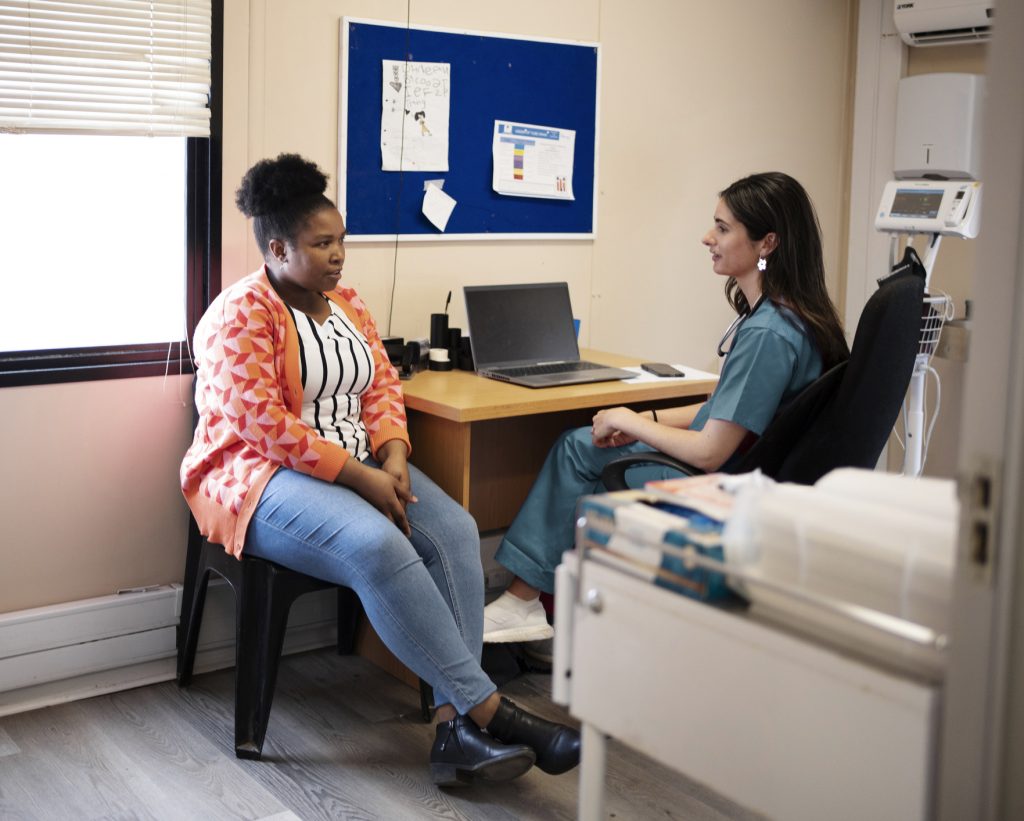
We hope this never happens, but if you or someone you care about ever experiences assault or physical abuse of any kind, Olivia Scheele, SANE program director at Memorial Regional Health, wants you to know that MRH has a team of specially trained nurses standing by 24/7 to help ensure you receive the care and support you need.
The nurses are Forensic Nurse Examiners, which means they provide specialized medical care to victims of assault and physical abuse. Sometimes the abuse is sexual; SANE stands for Sexual Assault Nurse Examiner. In other cases, the patients are victims of nonsexual domestic violence or physical assault by a friend, family member, or stranger.
The FNE nurses are all trained in trauma-informed care. This means they know how to create a safe, supportive environment for the patient and are always respectful of the patient’s needs, wants and decision-making.
“The goal of this program is restoring people’s dignity, restoring justice if that’s how they choose to proceed, and strengthening our community as a whole,” Scheele said. “We’re a safe space and a listening ear.”
How it works
After an assault or abuse incident, community members are encouraged to come to the MRH Emergency Department. No matter the time of day or night, the FNE nurse on-call will be summoned to the ER to help the patient. MRH FNEs work with patients of all genders and ages, from infants through senior adults.
If you’re unsure about whether or not to come to the ER or have questions, simply call the Emergency Department at 970-26-3211 and ask to speak to the FNE nurse on call.
It’s best to come to the MRH ER as soon as possible after an incident, but physical evidence may remain for days, so it’s also OK to report to the ER after some time has elapsed. In cases of sexual assault, the law mandates that physical evidence must be collected within five days to be admissible in court.
For drug-facilitated assaults — which means any form of physical or sexual assault in which the perpetrator uses drugs or alcohol to incapacitate the victim — urine or blood evidence must be collected within 24 hours.
Once the patient has arrived at the ER, the FNE nurse will ensure the patient’s immediate physical needs are met then discuss exam options. It is up to the patient whether or not a forensic exam with evidence collection will take place.
FNE nurses are trained to document physical abuse and collect evidence in case the victims decide they want to press charges. Documentation includes written descriptions of physical injuries as well as photographic evidence.
Physical evidence may include samples of blood, bodily fluids and hair, all of which contain DNA. Blood and urine samples may also contain evidence of drugs and alcohol in cases of suspected drug-facilitated crimes.
If the patient agrees to evidence collection, they may request that the evidence be released to law enforcement, or they may choose not to report to law enforcement at the time. In this case, evidence is collected and stored in case the patient later decides to file a police report. There is also an anonymous reporting option that allows victims to choose to hand over evidence without being identified.
“We’re always there to support the victim’s choices,” Scheele said. “They’re in complete control. And everything we discuss and do is highly confidential. The medical records even have extra security measures built in. It’s not treated lightly by any means.”
In addition to medical and forensic care, the FNE nurses also connect assault and abuse patients with community advocates and other services they may need to navigate the legal process and obtain comprehensive emotional, financial and social support.
A community service
MRH’s FNE care is a service to the Moffat County community. “Our program hopes to eliminate the barriers victims of physical assault and abuse often face in rural communities, such as limited access to advocacy resources and lack of trained providers,” Scheele said. “Expert forensic care is essential to support the needs of victims and enhance legal outcomes.”
From a broader perspective, FNE care in the Craig area also helps foster a culture that discourages assault and abuse in the first place. “We need to be talking about it,” Scheele said. “The more we talk about it, the more awareness there is. The more we can destigmatize being open about these issues, the better.”
To learn more about forensic nursing exams and post-assault care at MRH
In case of emergency, report to the MRH Emergency Department or call 911. If you have general or non-urgent questions, please call Olivia Scheele at 970) 826-2454 or email olivia.scheele@memorialrh.org.





Support Local Journalism
Support Local Journalism
Readers around Craig and Moffat County make the Craig Press’ work possible. Your financial contribution supports our efforts to deliver quality, locally relevant journalism.
Now more than ever, your support is critical to help us keep our community informed about the evolving coronavirus pandemic and the impact it is having locally. Every contribution, however large or small, will make a difference.
Each donation will be used exclusively for the development and creation of increased news coverage.