Gov. Polis calls on Trump administration to reinstate free tax filing system in 2026
Colorado was poised to begin using a free tax filing system through the IRS next year, but the Trump administration said it was suspending the program

Robert Tann/Summit Daily News
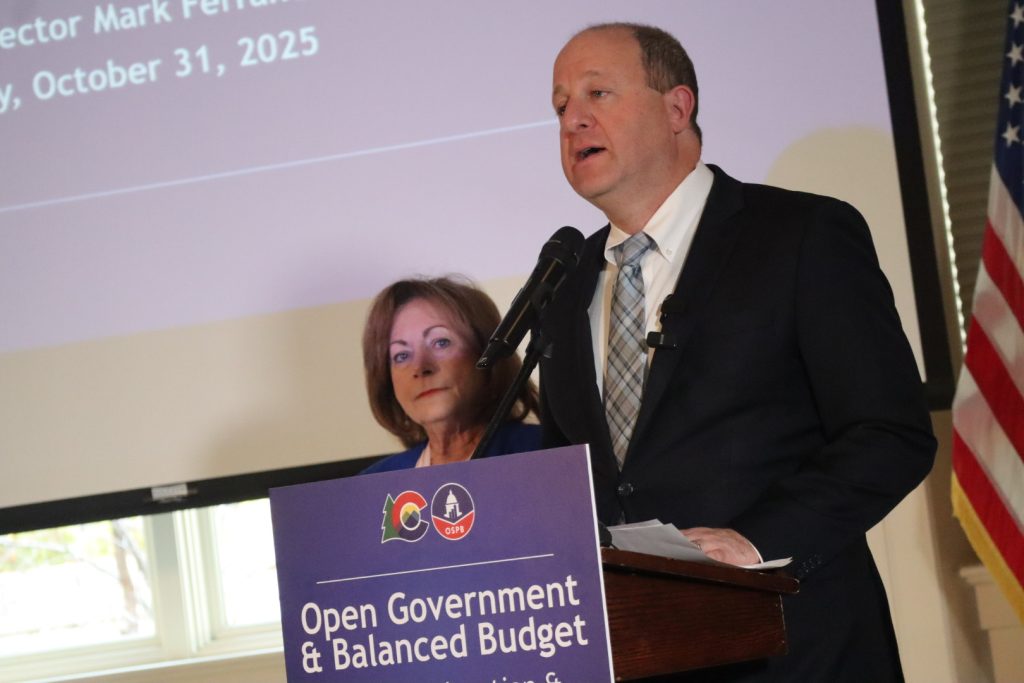
Colorado Gov. Jared Polis is calling on the U.S. Treasury to reinstate a free tax filing system next year, after President Donald Trump’s administration said it was suspending the program.
In a Dec. 3 letter to U.S. Treasury Sec. Scott Bessent, Polis said he was “disappointed” by the department’s decision to suspend Direct File, a government-run program created under former President Joe Biden that provides free tax filings through the Internal Revenue Service.
Direct File started as a pilot program in 2024 before expanding services to more than two dozen states this year. Colorado was poised to start using the system in 2026, but the Trump administration announced in November that it was ending the program next year.
Polis said the decision “ignores how effective and accurate” Direct File was, adding that the program was designed to “improve the overall tax experience by addressing the high cost and complexity of filing.”
The governor’s letter cites several studies highlighting the challenges and costs associated with filing taxes.
That includes a report from the National Taxpayers Union Foundation that found the average American spends 13 hours and $290 to file their taxes. Many Americans use private services to pay their taxes each year, which come with out-of-pocket costs.
A survey from the Washington-based research group New Practice Lab found that 34% of nonfilers identified complexity as the key barrier to filing, while 61% were afraid of making mistakes. Other data shows that filers are leaving tax breaks on the table.
“Direct File offered a free, efficient alternative that saved taxpayers both time and money, making government more efficient and reducing taxpayer errors,” Polis said.
The Treasury Department cited several reasons for suspending the program after conducting a study on Direct File. That included low participation rates, with fewer than 300,000 tax returns coming through Direct File in 2025, representing less than half a percentage point of all U.S. filers.
Other reasons included the program’s cost, which was reported as $41 million this year, and the Treasury Department’s report stating that Direct File’s “complexity and technical demands also diverted IRS resources from other core priorities.”
Ending the program is also in line with the Trump administration’s goal of reducing the size of the federal government, as the report notes that many Americans already have access to free filing options through longstanding public-private partnerships.
In his letter to Bessent, Polis pushed back on many of the concerns cited in the Treasury Department’s report. While fewer than 300,000 tax returns were processed through Direct File, more than 750,000 taxpayers across 25 states used it to file their taxes “in spite of the uncertainty about Direct File’s future and no marketing budget.”
Across the country, 4 million taxpayers used Direct File’s eligibility checker this year, Polis said.
The governor added that Direct File returned $126 million in tax refunds to taxpayers and saved them an estimated $7.8M in tax preparation fees this year alone. He said the program, once fully rolled out, was projected to save families $23 billion in fees, time and recovered tax credits every year.
“Unfortunately for Colorado taxpayers, Direct File’s suspension means they won’t be able to experience how simple, free, and functional filing can be,” Polis said.
Polis said the state is launching a pilot program to identify Coloradans who didn’t file or fully claim state tax credits in previous years, and offer them a pre-filled state tax return to ensure they receive unclaimed credits.
“Like Direct File, this doesn’t have to be a pipe dream. These are real solutions that simplify our cluttered tax code and make it as easy as possible to get tax refunds back to the people,” Polis said. “Still, as a federal filing tool, there is no substitute for Direct File, and we urge (the) Treasury to look again at the results and reconsider their decision, given how successful Direct File was.”






Support Local Journalism
Support Local Journalism
Readers around Craig and Moffat County make the Craig Press’ work possible. Your financial contribution supports our efforts to deliver quality, locally relevant journalism.
Now more than ever, your support is critical to help us keep our community informed about the evolving coronavirus pandemic and the impact it is having locally. Every contribution, however large or small, will make a difference.
Each donation will be used exclusively for the development and creation of increased news coverage.