Colorado, environmental groups sue Trump’s energy department over coal plant order they claim is ‘illegal’
The move is an escalation in the fight to overturn a federal order that forced a retiring coal plant in Craig to remain open due to what the U.S. Energy Department called an energy ‘emergency’

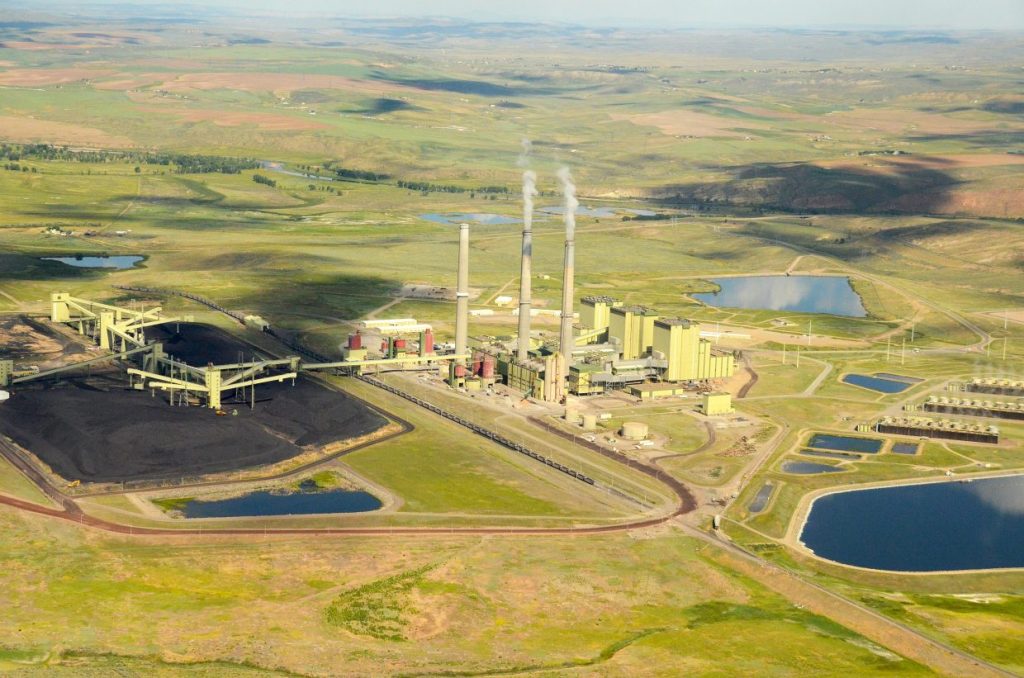
Noelle Leavitt Riley/Steamboat Pilot & Today archive
Colorado and a group of environmental advocates filed separate lawsuits Wednesday seeking to overturn an emergency order by the United States Department of Energy that has forced a retiring coal-fired power plant in Craig to remain open.
The challenges were brought in federal court by Colorado Attorney General Phil Weiser and a coalition of environmental groups made up of the Sierra Club, Vote Solar and the Environmental Defense Fund.
The move comes after the Energy Department denied two requests brought by Weisier and the same group of environmental advocates asking the agency to rescind its Dec. 30 order that has forced Craig Station Unit 1 to remain open through at least March 30. The station was scheduled to close on Dec. 31.
Both Weisier and the environmental groups claim the order, which was issued under section 202(c) of the Federal Power Act and allows the Energy Department to keep power plants running during times of crisis, such as war or energy shortages, was illegal.
“There is no energy emergency, and stopping the Craig unit’s retirement would not ease any imagined energy need,” Weiser stated in a press release Wednesday. “Left unchallenged, the Energy Department’s order will result in unnecessary costs passed onto Coloradans in higher electric bills and more pollution in the region. The order is an unlawful abuse of the department’s emergency authority and should be rescinded.”
The Trump administration has also used claims of an energy emergency under the Federal Power Act to keep open coal plants that were slated for retirement in Michigan, Washington and Indiana, as well as an oil plant in Pennsylvania.
In statements Wednesday, environmental advocates said the decision is driven by politics rather than actual energy needs.
Trump, both during his 2024 campaign and second presidency, has lambasted renewable energy policies like solar and wind and pledged to buoy the coal industry. The One Big Beautiful Bill Act, which Republicans in Congress passed this summer to enact much of Trump’s second-term agenda, rolled back a suite of clean energy investments passed under the Biden administration, including hundreds of billions in tax credits for consumers and businesses.
“The Trump administration is actively shutting down wind and solar projects across the country and eliminating renewable jobs — all while claiming that we have an electricity shortage,” Margaret Kran-Annexstein, director of the Colorado Sierra Club, said in a statement. “If this administration truly cared about increasing the supply of affordable electricity, they would stop trying to upend wind and solar projects and stop propping up dirty and expensive coal units that were scheduled to close.”
In a statement last month responding to efforts to rescind the Craig plant order, an unnamed Energy Department spokesperson said, “Thanks to President Trump’s leadership, the Energy Department is unleashing energy dominance to reduce energy costs for American families and strengthen the electric grid.”
The spokesperson’s statement went on to claim that under the Biden administration, the U.S. was “on track to lose 100 (gigawatts) of reliable generation capacity by 2030,” referencing a January 2026 report by the North American Electric Reliability Corporation.
“At the same time, the U.S. may need to build 100 (gigawatts) of new reliable capacity to win the AI race and onshore manufacturing,” the statement continued. “(The North American Electric Reliability Corporation) has warned that worsening resource adequacy is a ‘five-alarm fire’ for grid reliability. The Trump Administration is committed to preventing the premature retirement of baseload power plants and building as much reliable, dispatchable generation as possible to achieve energy dominance.”
Opponents of the push to keep the Craig plant open have warned that it will increase utility costs. The station’s owners, Tri-State Generation and Transmission Association and the Platte River Power Authority, said in January that keeping the station running means ratepayers will “unnecessarily bear the full cost of complying.”
The two entities also filed a request in January for the Energy Department to rescind its order. Platte River Power Authority General Manager and CEO Jason Frisbie said in a statement at the time that the plant’s owners have planned for its closure for over a decade and have “proactively replaced the capacity and energy from new sources.”
“While Platte River will continue to comply with federal law, we disagree with the need to keep the plant open,” Frisbie said.
Colorado lawmakers are moving to mitigate the fallout from current and potentially future emergency coal plant orders.
Democrats are advancing a measure, House Bill 1226, which would require coal plant operators to publicly report the cost associated with staying open due to a federal order and provide them with an avenue to pay for those expenses in a way that doesn’t raise costs on ratepayers. The bill would also place more environmental requirements on coal plants that stay open past their initial retirement date, including mandating that plants have pollutant controls in place to limit further emissions and report quarterly emissions data to the state to ensure compliance.







Support Local Journalism
Support Local Journalism
Readers around Craig and Moffat County make the Craig Press’ work possible. Your financial contribution supports our efforts to deliver quality, locally relevant journalism.
Now more than ever, your support is critical to help us keep our community informed about the evolving coronavirus pandemic and the impact it is having locally. Every contribution, however large or small, will make a difference.
Each donation will be used exclusively for the development and creation of increased news coverage.